

Think you can identify them all? Test your nursing knowledge with these nursing image based questions featuring medical instruments, devices, clinical signs, and commonly seen healthcare items.
About This Nursing Image Quiz
This quiz contains 20 image-based nursing questions designed to make learning more visual, practical, and engaging. Look carefully at each image, choose the best answer, and check your score as you progress.
What Does This Quiz Cover?
The questions may include nursing instruments, medical devices, clinical signs, injection equipment, anatomy, and common hospital equipment. Each question is designed to test recognition and basic nursing knowledge.
How to Take the Nursing Image Quiz
Look at the image, read the question, and choose the answer you think is correct. Your score is updated during the quiz, allowing you to quickly see how well you are doing.
Why Are Image-Based Nursing Questions Important?
Nursing is not only about remembering definitions. Nurses also need to recognize instruments, equipment, clinical findings, and healthcare devices quickly. Image-based questions help develop visual recognition and make important concepts easier to understand and remember.
Useful for Nursing Exam Preparation
These image-based questions can be useful for students preparing for AIIMS, NORCET, RRB Nursing, ESIC, Nursing Officer, Staff Nurse and other nursing entrance and recruitment exams. They are also helpful for quick revision before an exam.
Practice Note: These questions are provided for educational practice and revision. They are not claimed to be actual questions from any specific examination.
Ready to Test Your Nursing Knowledge?
20 questions. Real nursing concepts. One score. Take the quiz and see how many you can identify correctly. Pay close attention to each image—you may find some questions easier than they look!
Quiz Starts Now-
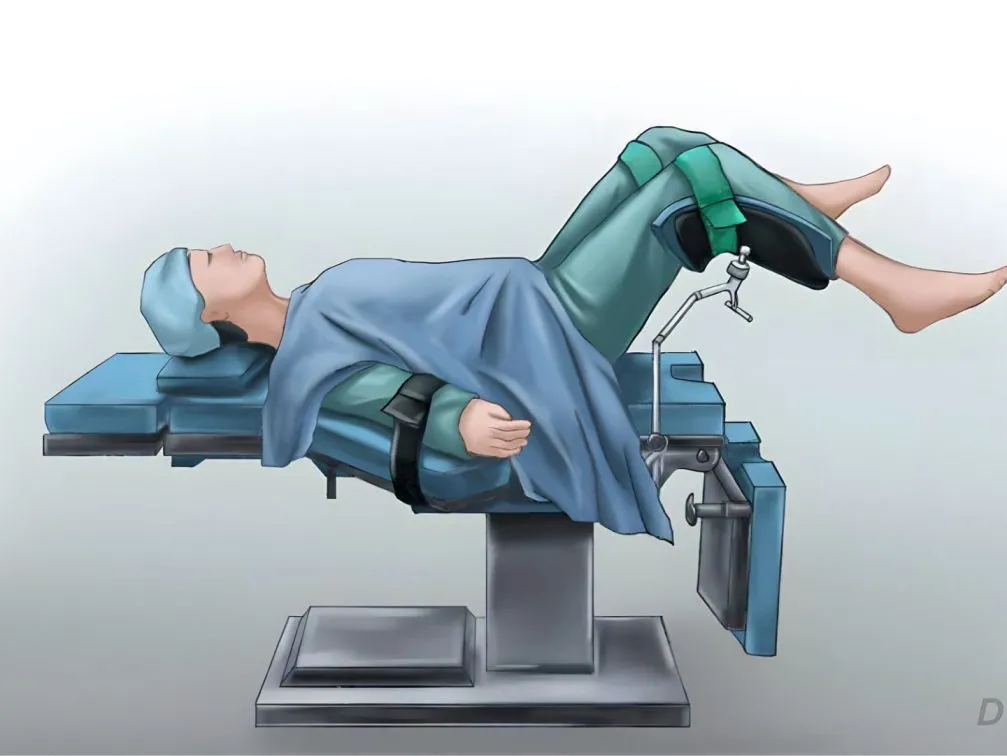
The lithotomy position places the patient on the back with the hips and knees flexed and the legs supported in stirrups. It is commonly used for gynecological, urological, and some obstetric procedures.
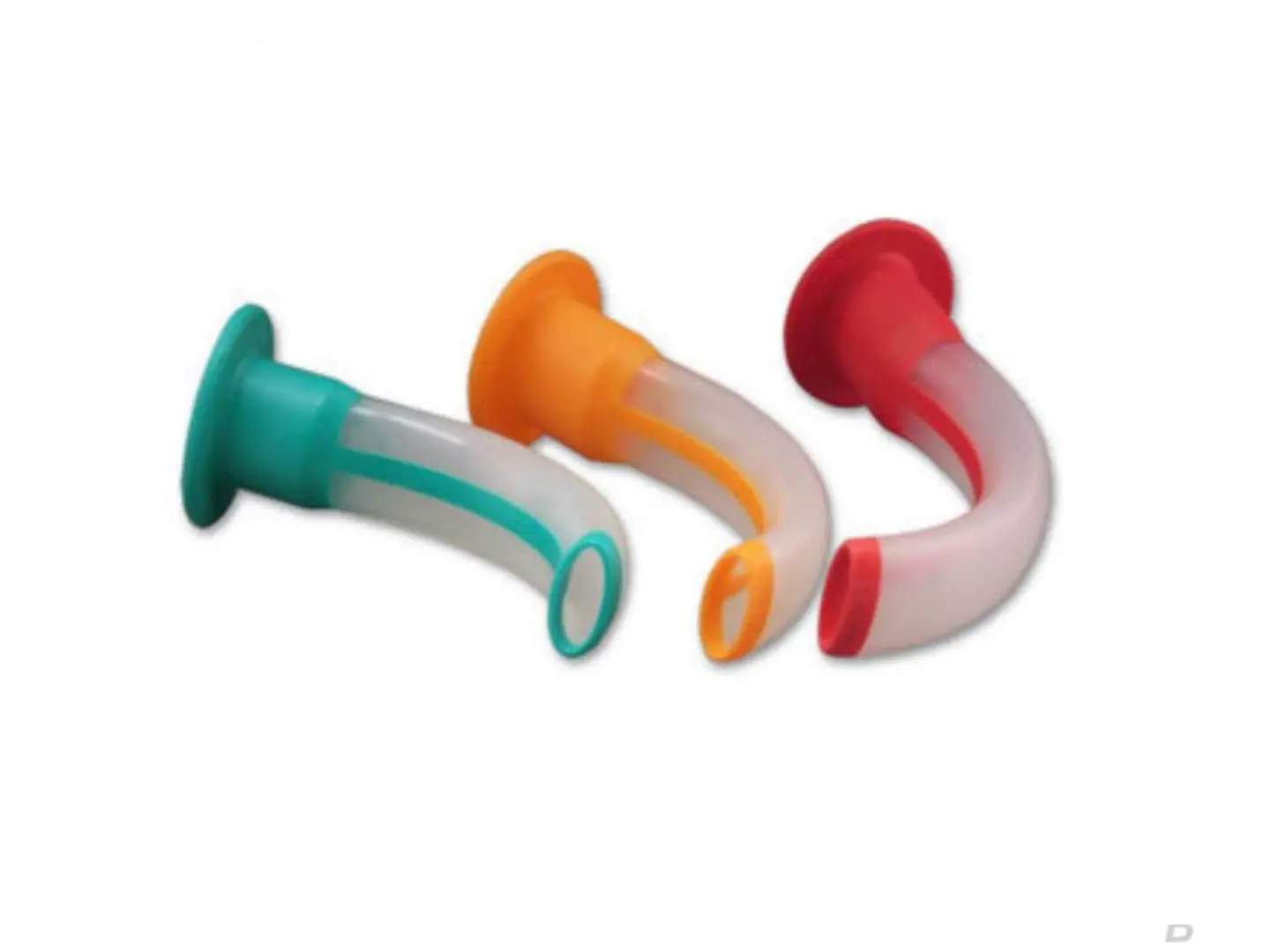
The Guedel airway, also called an oropharyngeal airway (OPA), is a curved airway device inserted through the mouth to help keep the tongue away from the posterior pharyngeal wall. It is commonly used in an unconscious patient who has no gag reflex.
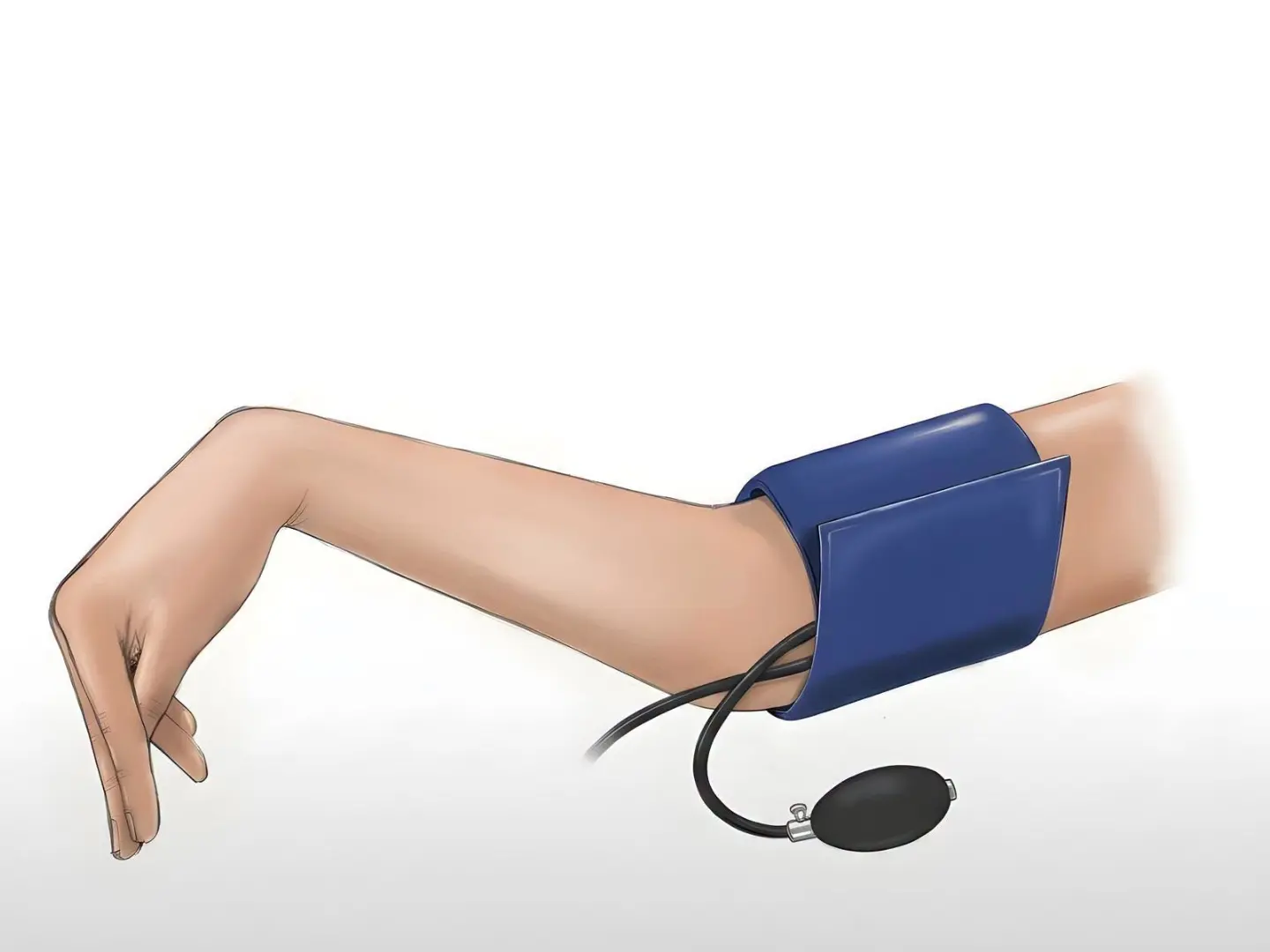
Trousseau sign is a carpopedal spasm produced by inflating a blood pressure cuff above the systolic pressure for several minutes. It is associated with hypocalcemia and is characterized by flexion of the wrist and fingers with extension of the fingers.
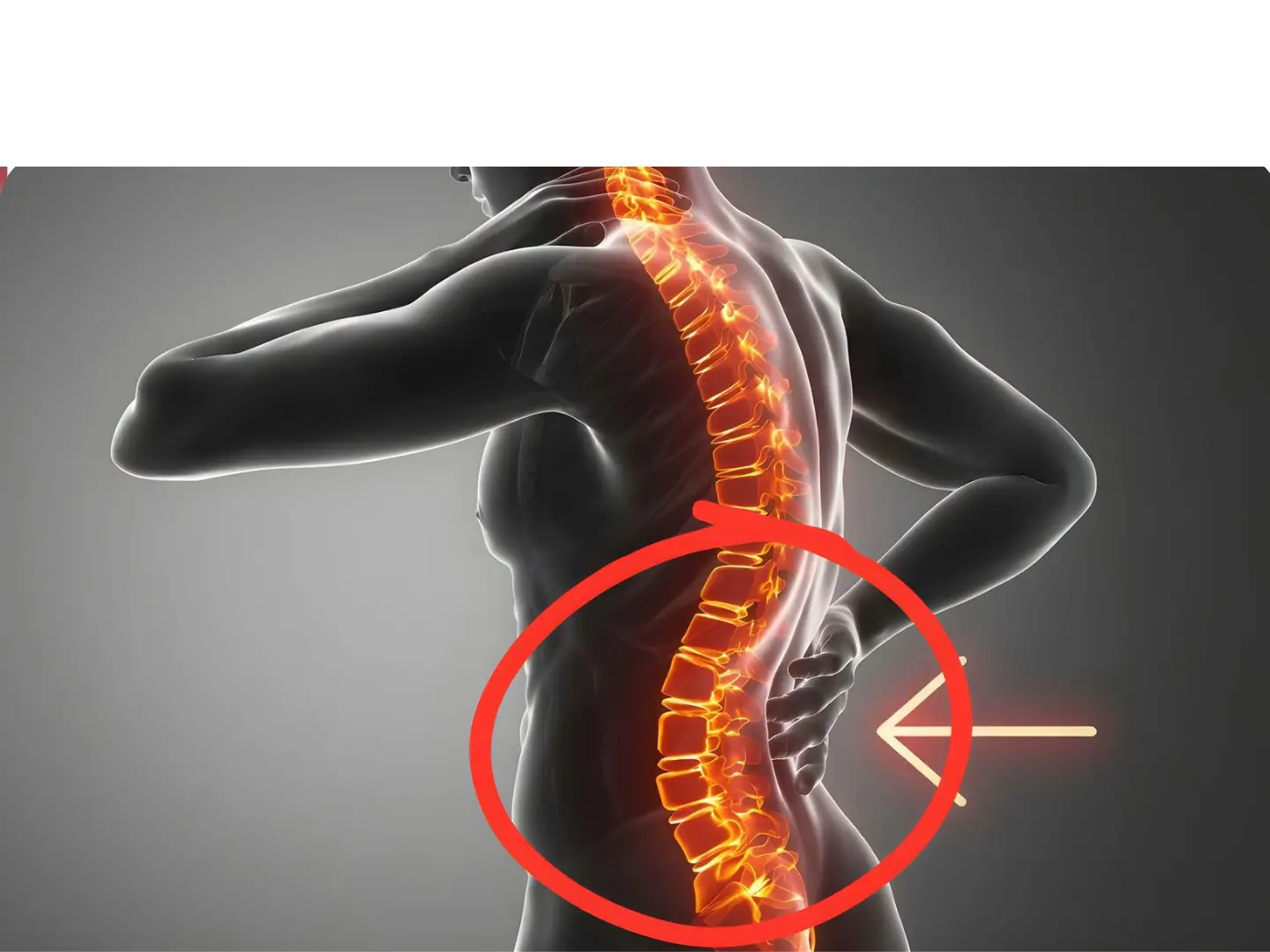
Lordosis is an exaggerated inward curvature of the spine, most commonly seen in the lumbar region. It produces an increased inward curve of the lower back.
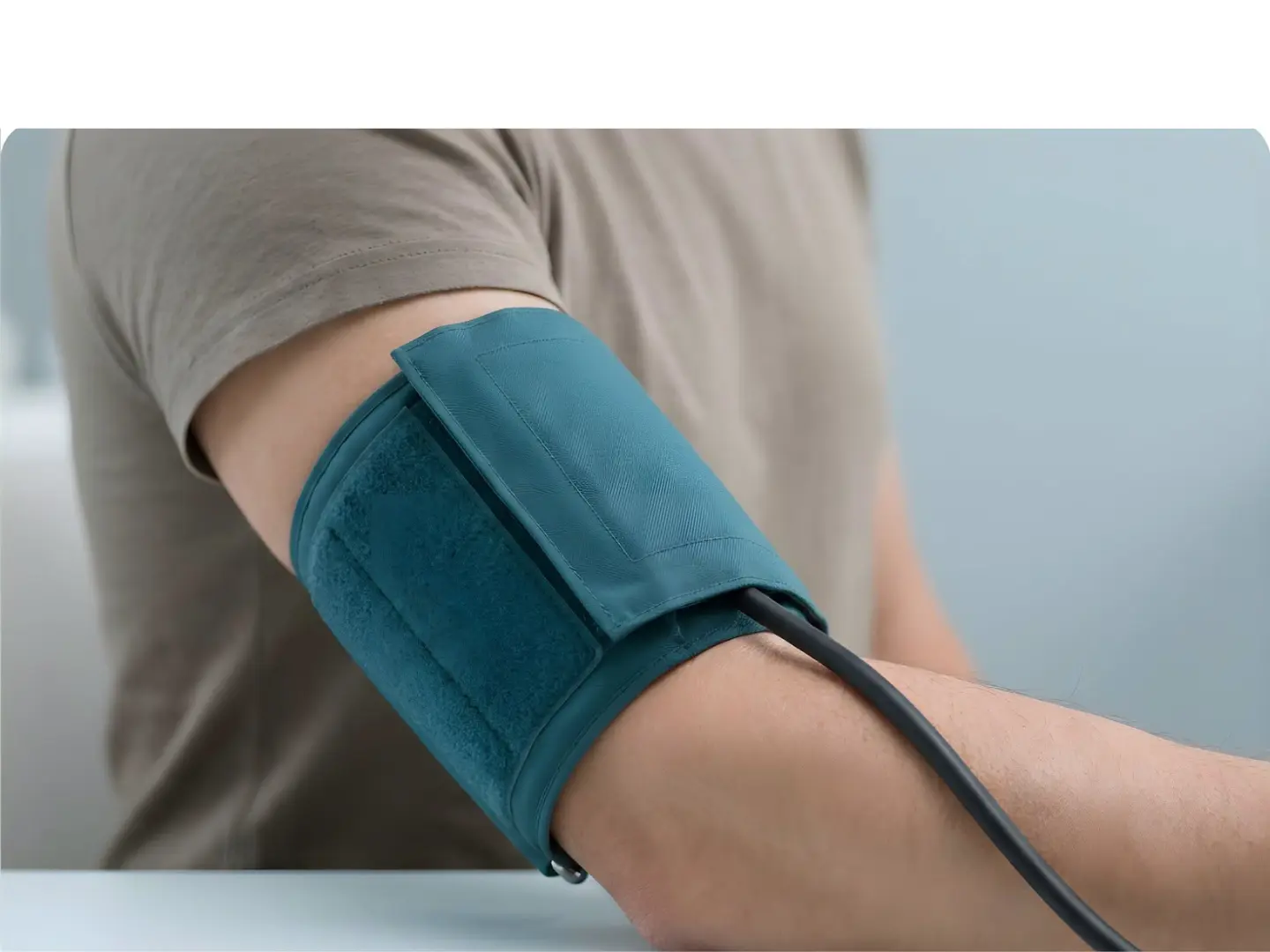
A BP cuff, or blood pressure cuff, is wrapped around the upper arm and inflated to temporarily compress the brachial artery during blood pressure measurement.
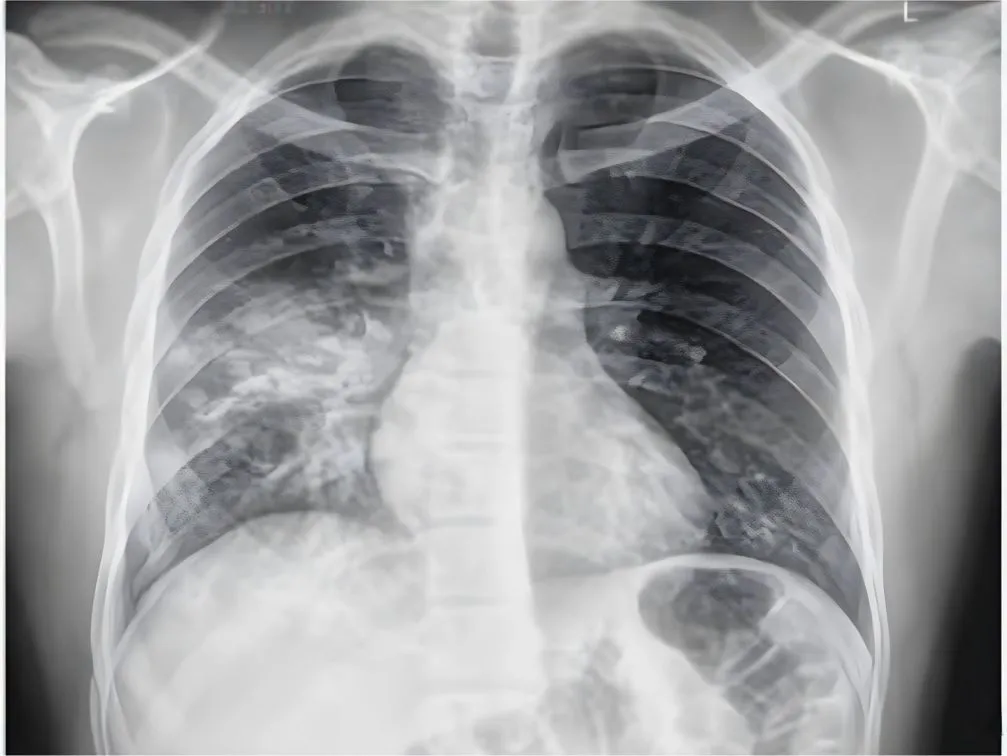
Lobar pneumonia causes consolidation of an entire lobe or a large portion of it. Air bronchograms within the area of consolidation are a classic radiographic finding. Fever, productive cough, pleuritic chest pain, and increased respiratory rate further support the diagnosis.

Omphalopagus refers to conjoined twins joined at the abdomen, typically around the umbilical region. They may share organs such as the liver or parts of the gastrointestinal tract.
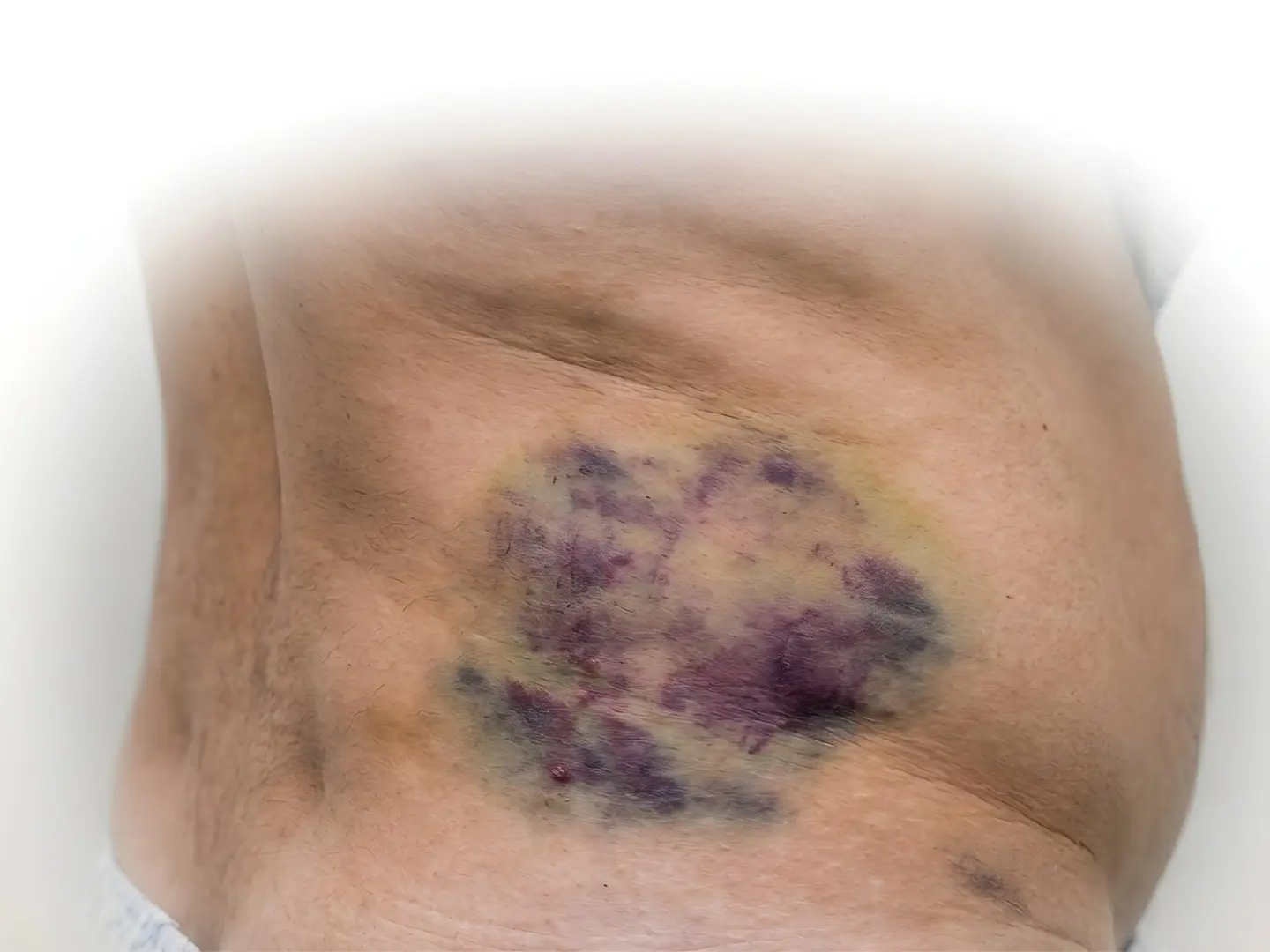
Grey Turner sign is characterized by bluish-purple discoloration or ecchymosis of the flanks. It may indicate retroperitoneal bleeding and is classically associated with severe acute pancreatitis.
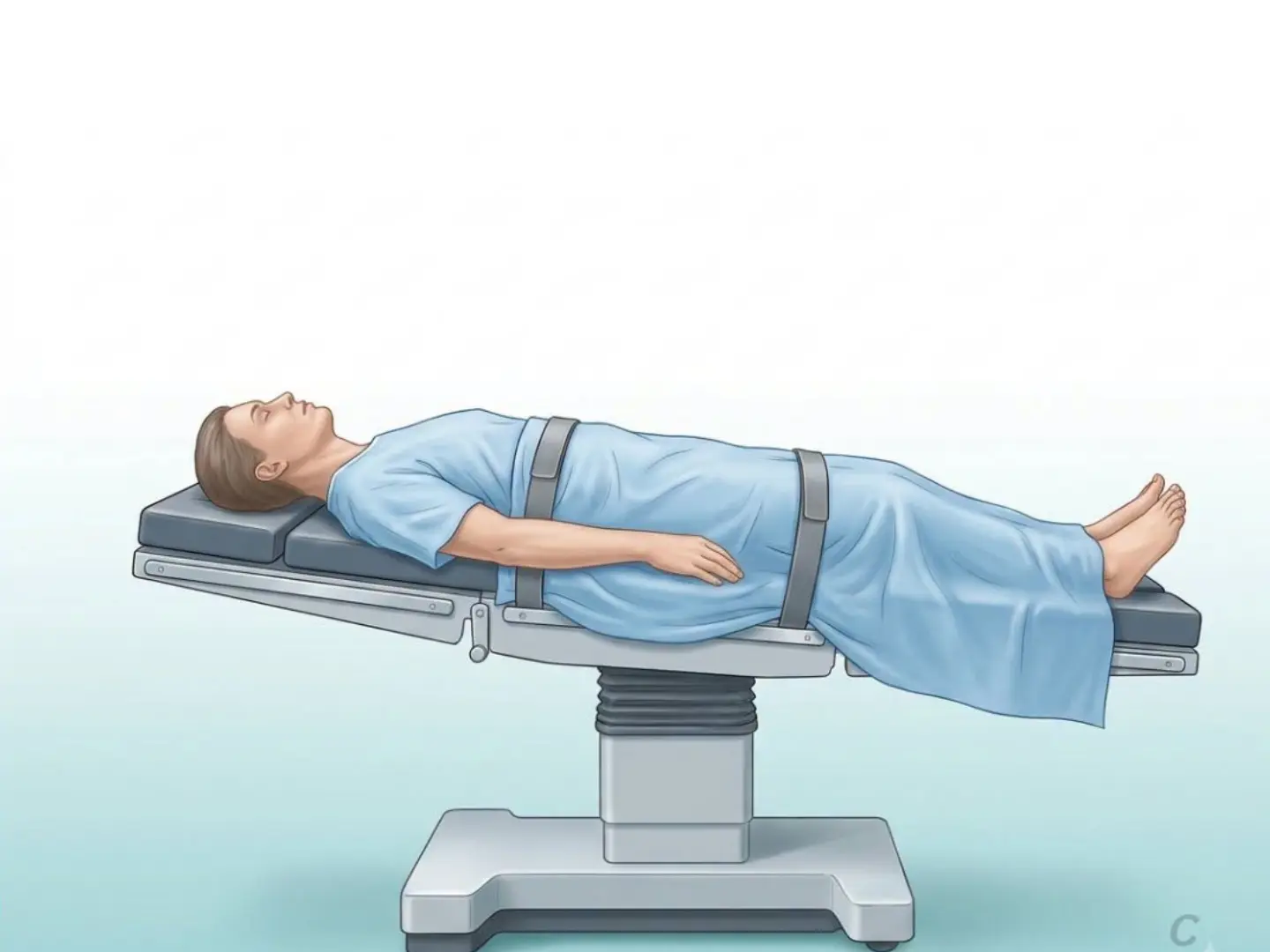
The Inverse Trendelenburg position places the patient supine with the head higher than the feet. It is commonly used during upper abdominal and head-and-neck procedures and may help improve surgical exposure.
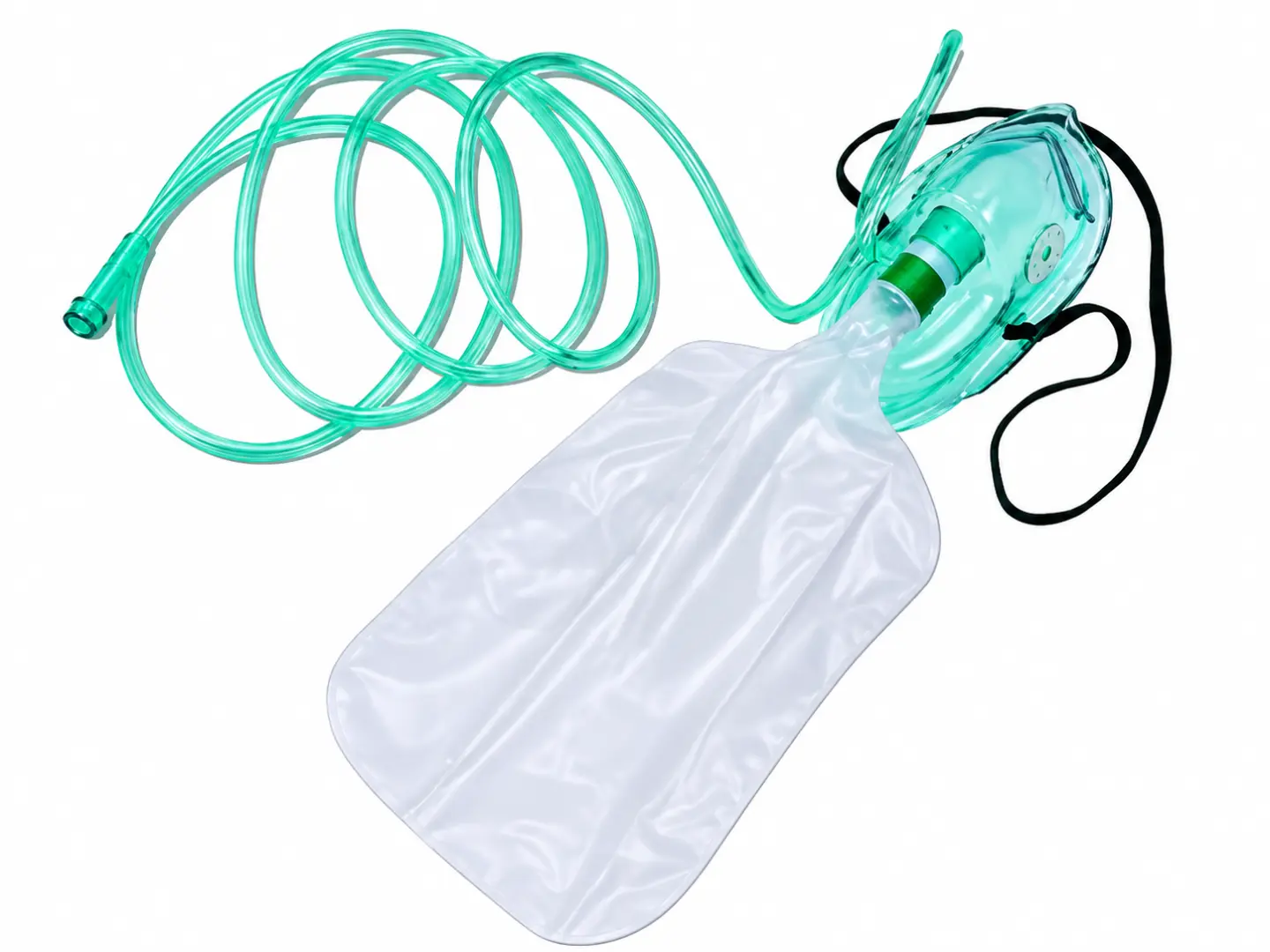
The mask shown is a Non-Rebreather (NRB) mask. It has a reservoir bag and one-way valves that allow delivery of a high concentration of oxygen while limiting rebreathing of exhaled air.
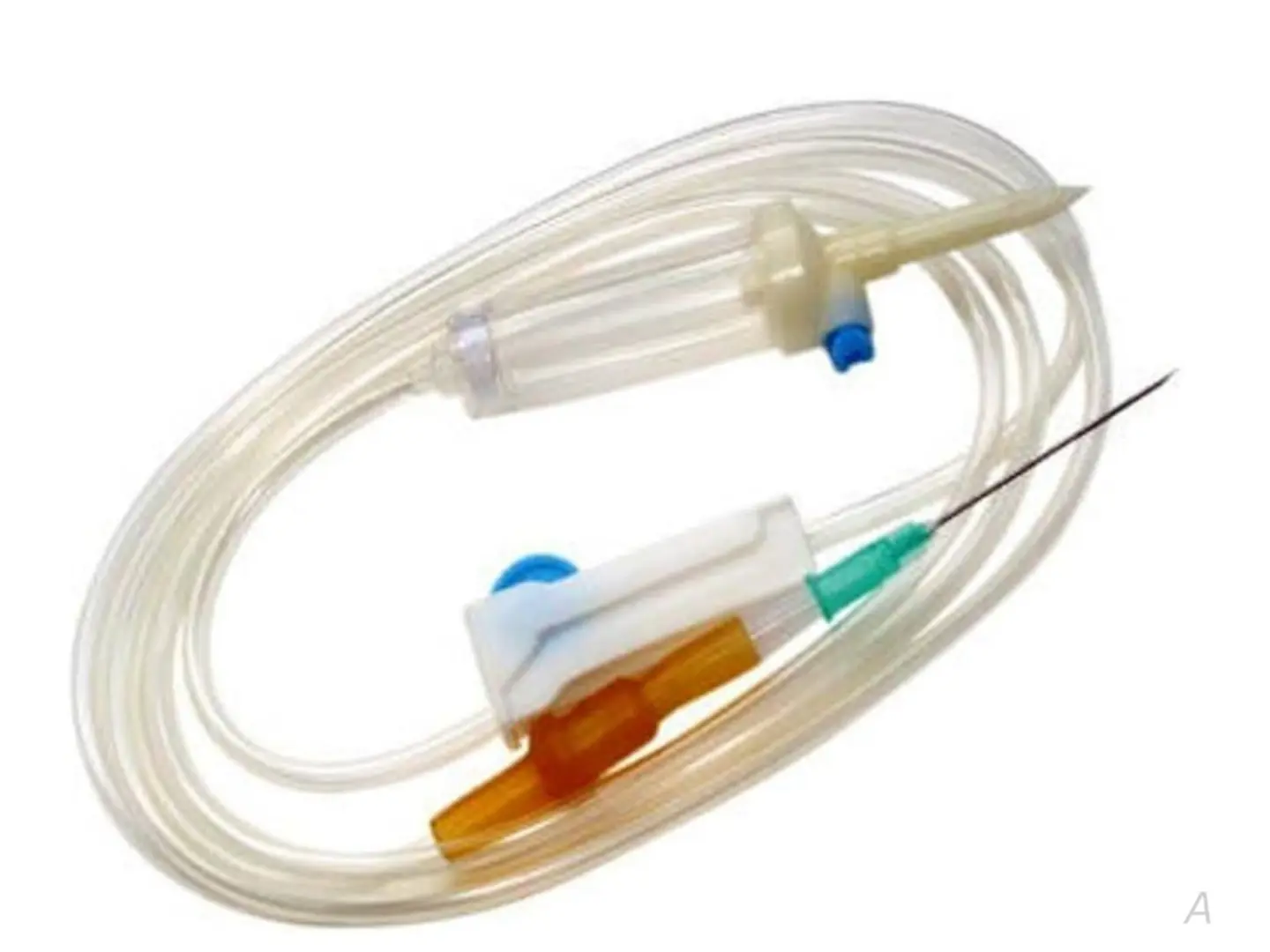
The image shows an intravenous fluid infusion set, commonly used to administer IV fluids and medications through an intravenous access device.
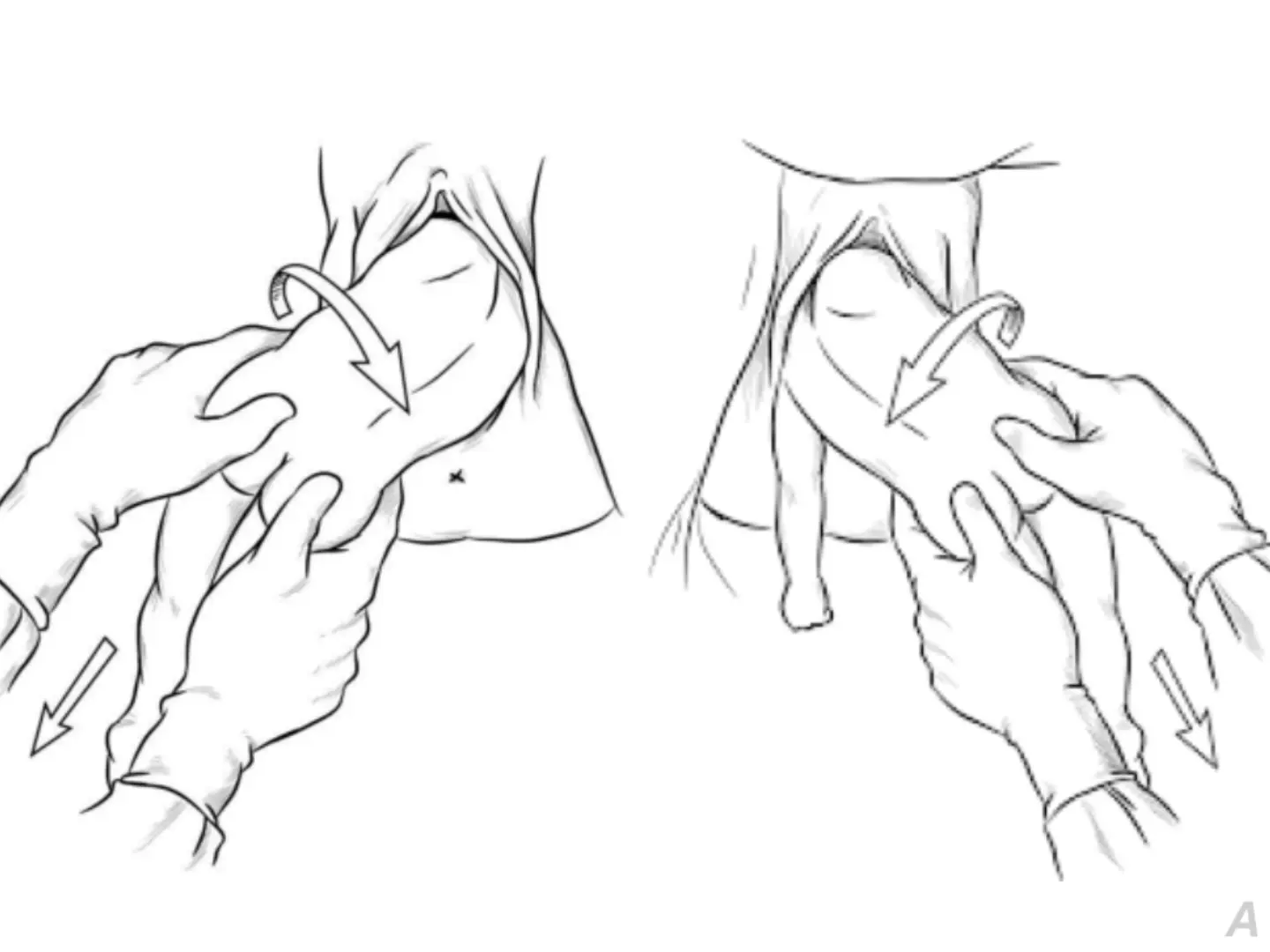
The image shows the Lovset maneuver, an obstetric maneuver used to assist in the delivery of the shoulders in a breech presentation when the arms are extended or difficult to deliver.
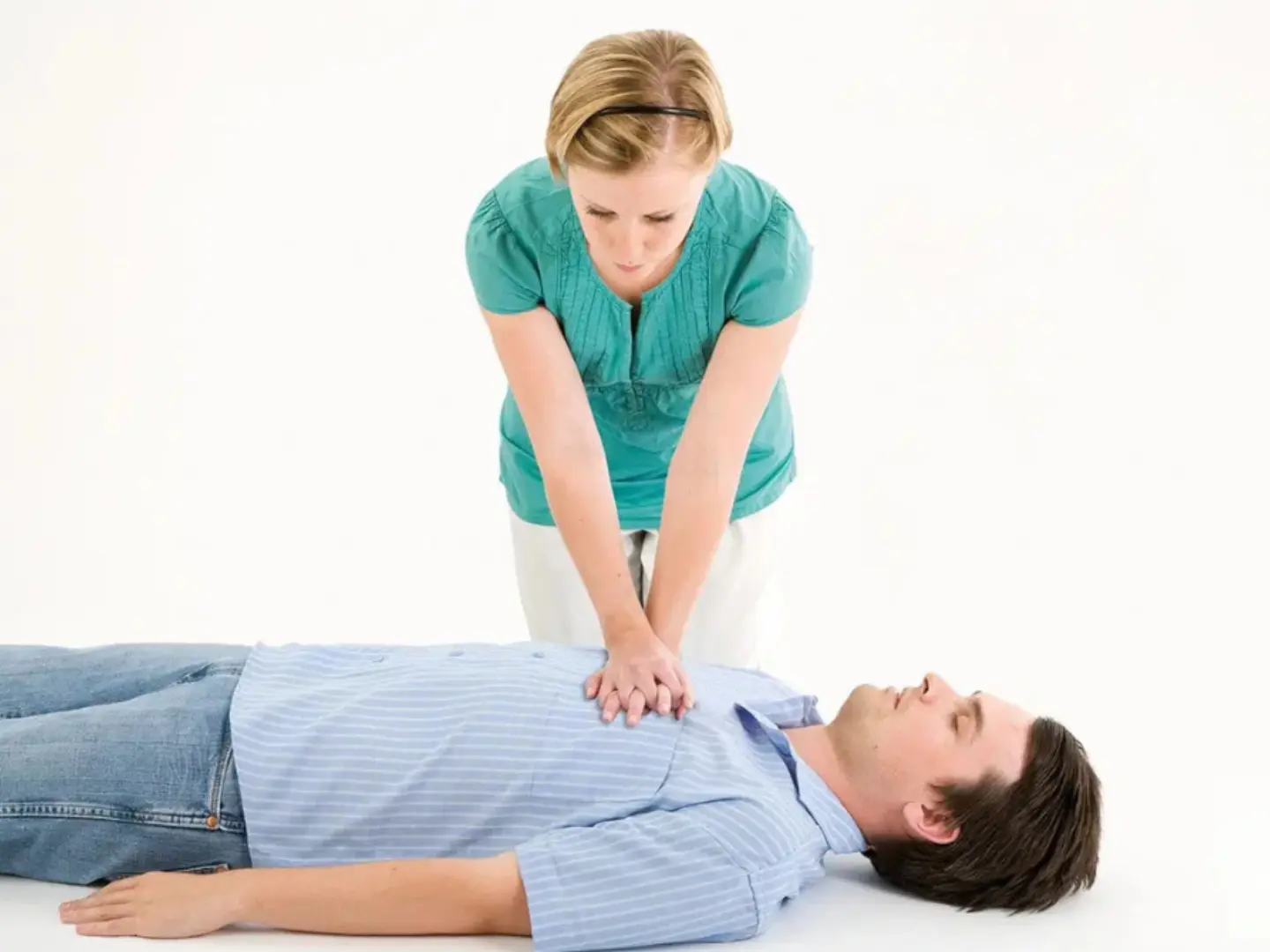
The photograph shows chest compressions, which are performed during CPR to maintain blood circulation by manually compressing the heart between the sternum and spine.
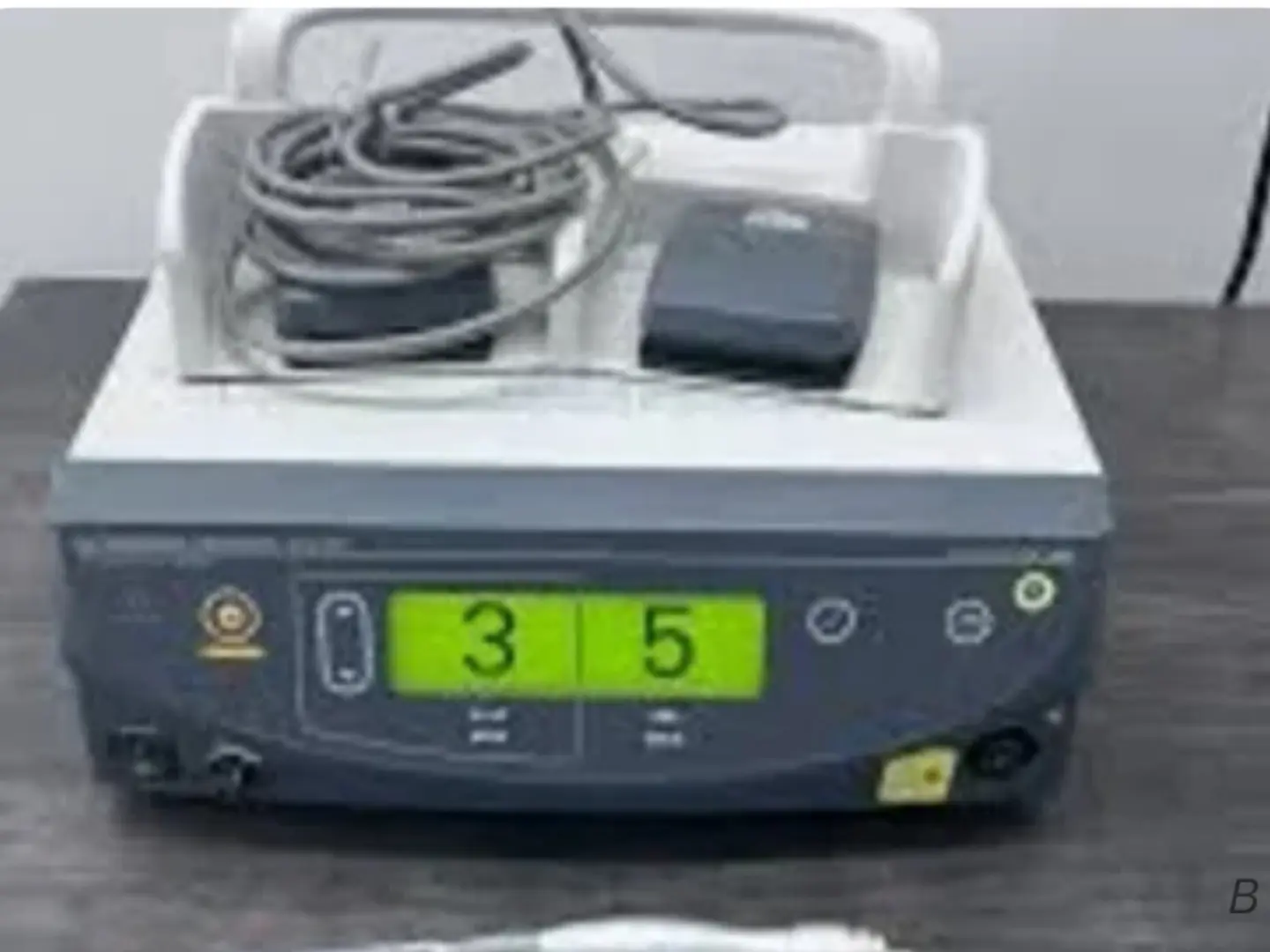
The image shows a Harmonic Scalpel, an ultrasonic surgical device used for cutting tissue and achieving hemostasis during surgery.
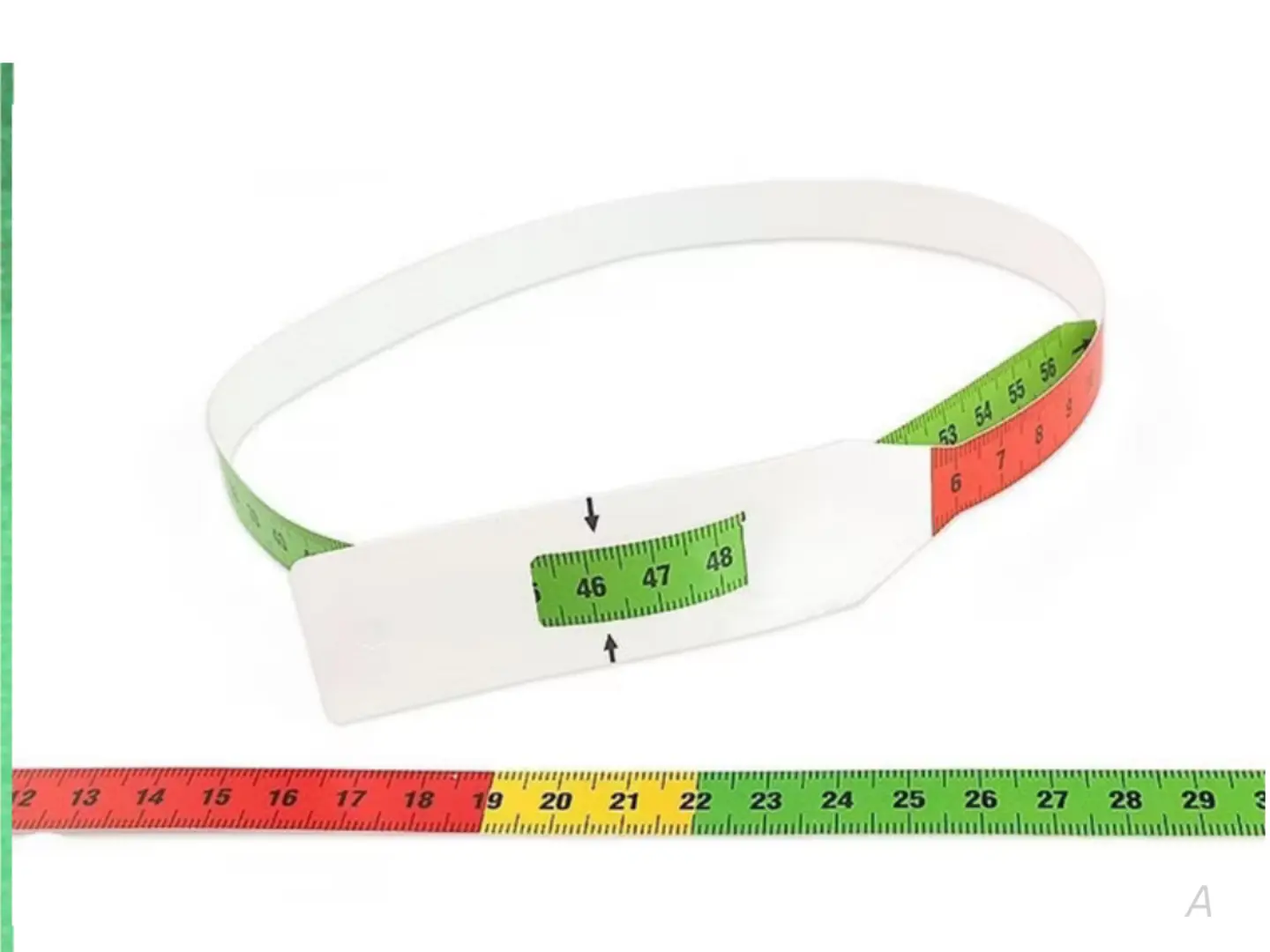
The tape shown is used for mid-upper arm circumference (MUAC) measurement. MUAC is commonly used in children to assess and monitor nutritional status, particularly for identifying acute malnutrition.
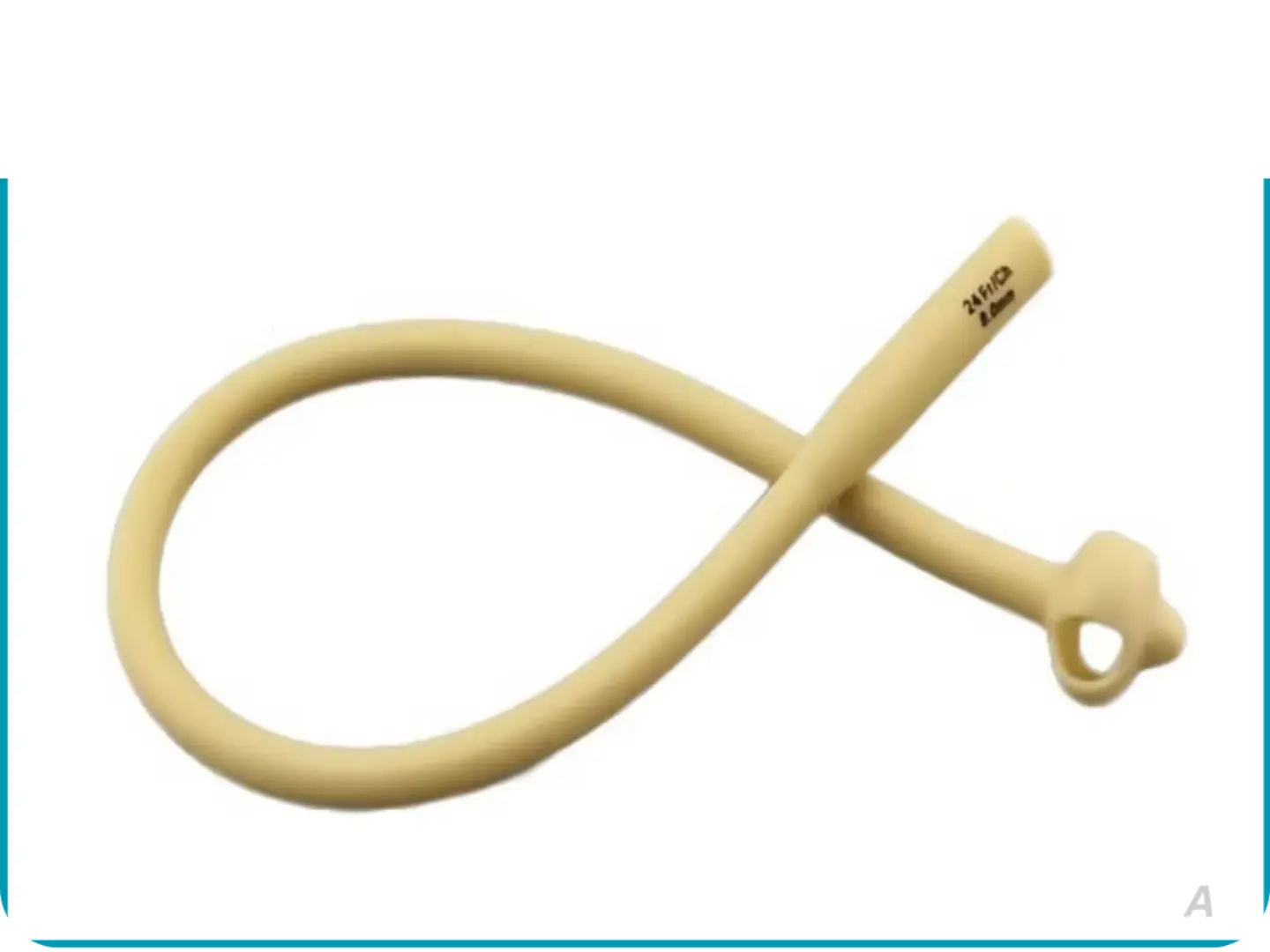
The catheter shown is a Malecot’s catheter. It is a winged-tip drainage catheter commonly used for drainage procedures, particularly suprapubic or nephrostomy drainage.
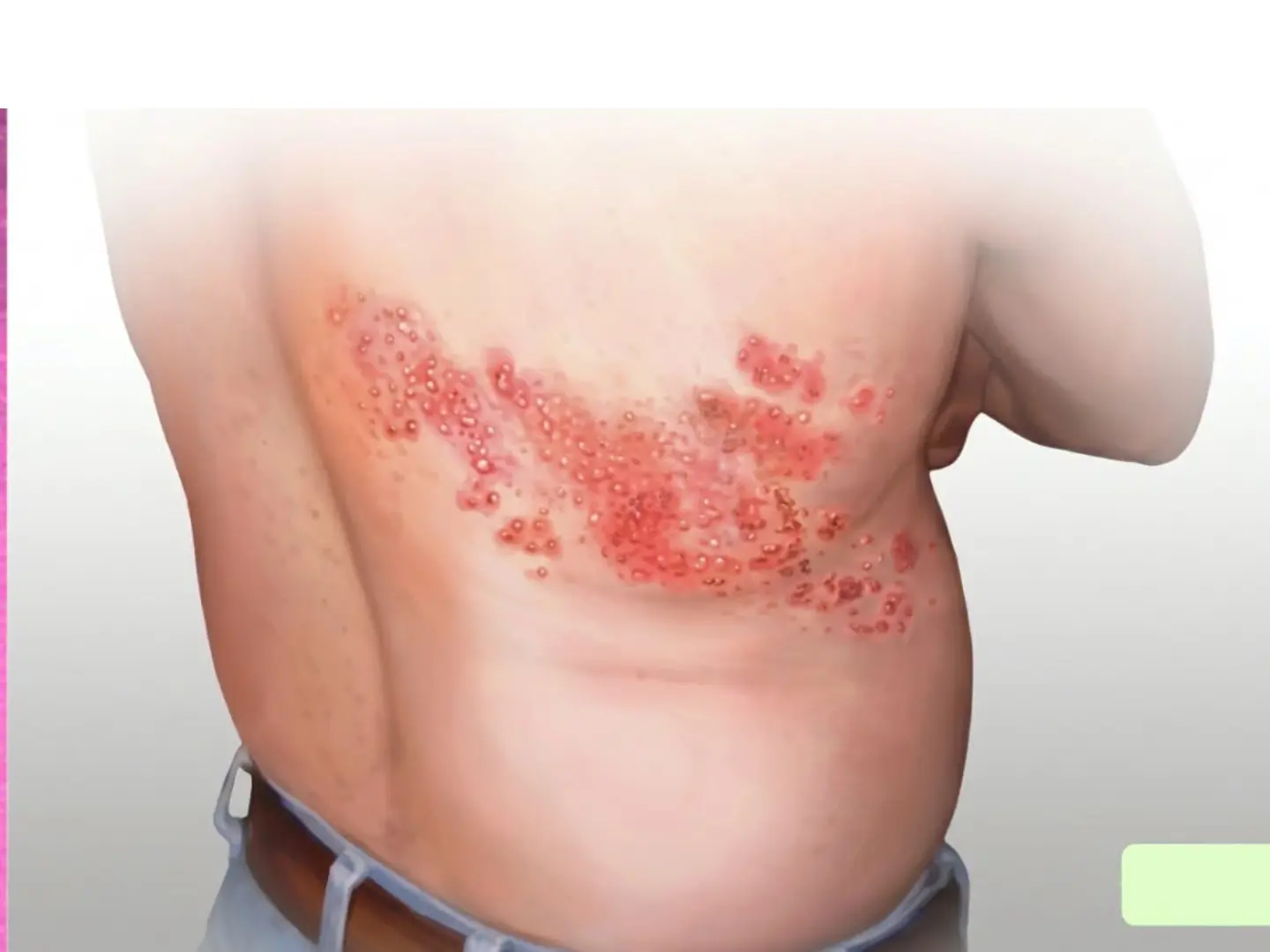
The image shows herpes zoster (shingles), a painful vesicular rash that typically follows the distribution of a sensory nerve (dermatome). It is caused by reactivation of the varicella-zoster virus.
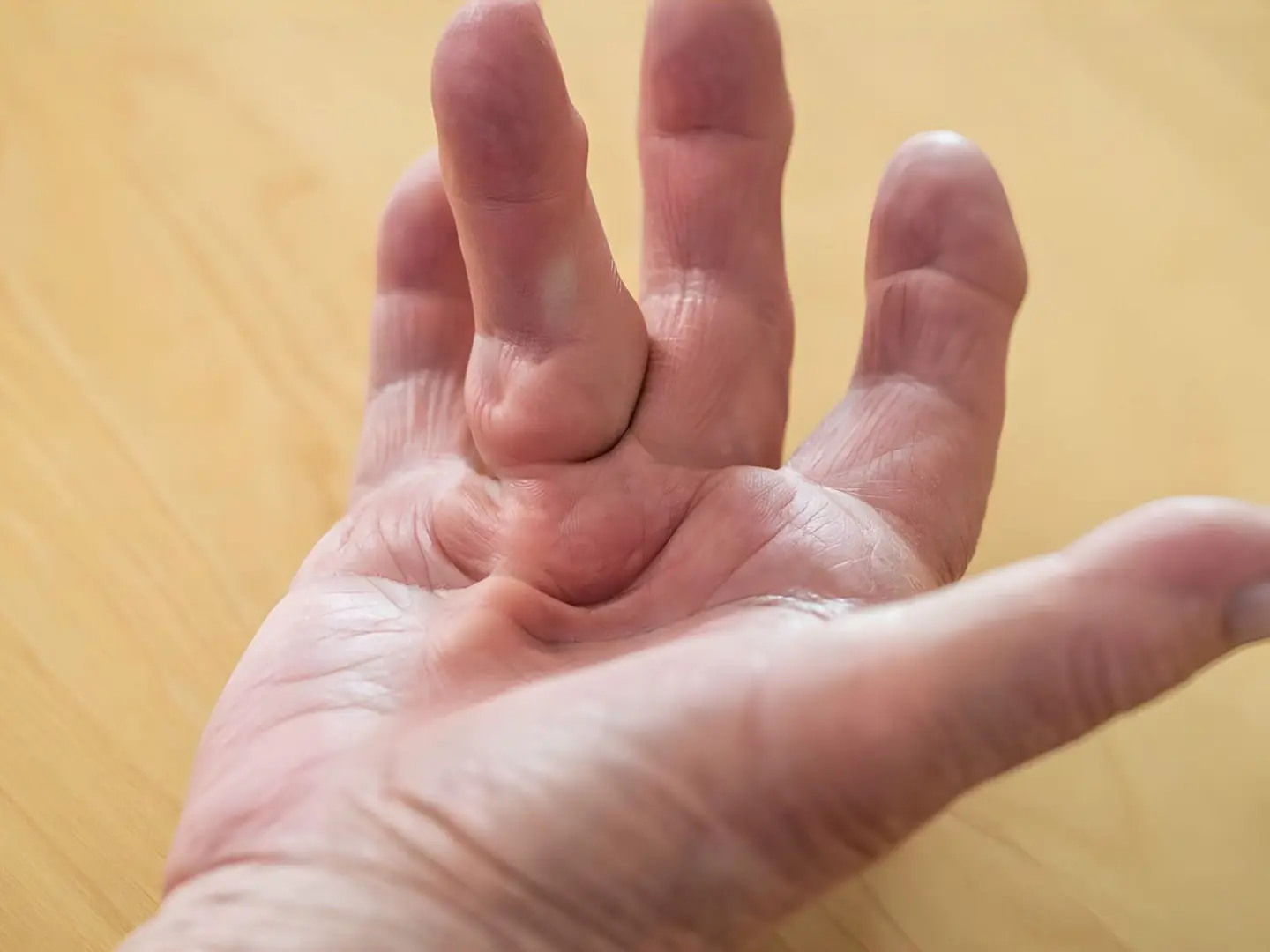
The image shows Dupuytren contracture, a condition involving thickening and shortening of the palmar fascia. It commonly causes progressive flexion of the fingers, especially the ring and little fingers.
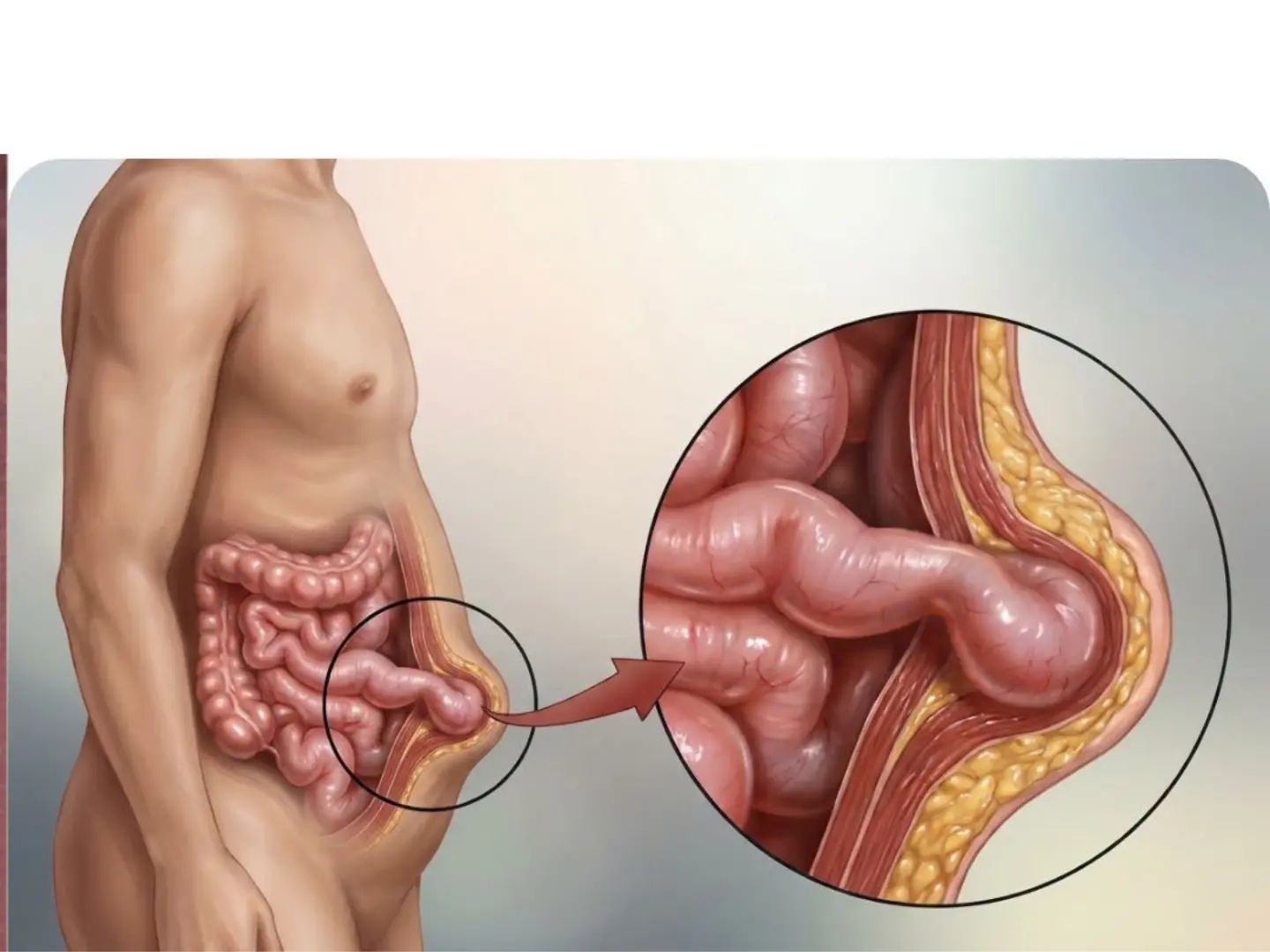
The image shows an umbilical hernia, in which abdominal contents protrude through a weakness or defect around the umbilicus. The swelling may become more prominent with coughing, straining, or increased intra-abdominal pressure.
Don’t forget to comment your score below in comment section.
More Nursing Image-Based quizzes are coming soon ……., So keep learning in mean time.
🎯 Finished the Quiz? Don’t Stop Here!
Keep practicing and see how strong your nursing preparation really is.
Practice more questions from different nursing subjects. 💯 Can You Score 80+? Try 100 Nursing MCQs
Take a full 100-question nursing practice test. 🏆 Preparing for AIIMS NORCET?
Challenge yourself with a 100-question Stage 1 mock test. 🚆 Preparing for RRB Nursing Exams?
Test your preparation with an RRB Nursing mock test. 🌎 Preparing for NCLEX-RN?
Practice NCLEX-style questions and strengthen your clinical thinking.
👉 Choose your next challenge and keep your nursing preparation going!
How Did You Score?
Finished the quiz? Check your score and review the questions you found difficult. If you missed a few, don’t worry. Use them as a quick revision opportunity and try the quiz again later.
Keep practicing, keep learning, and keep improving. Regular practice with different types of nursing questions can strengthen your knowledge, improve visual recognition, and build confidence for your next nursing exam.